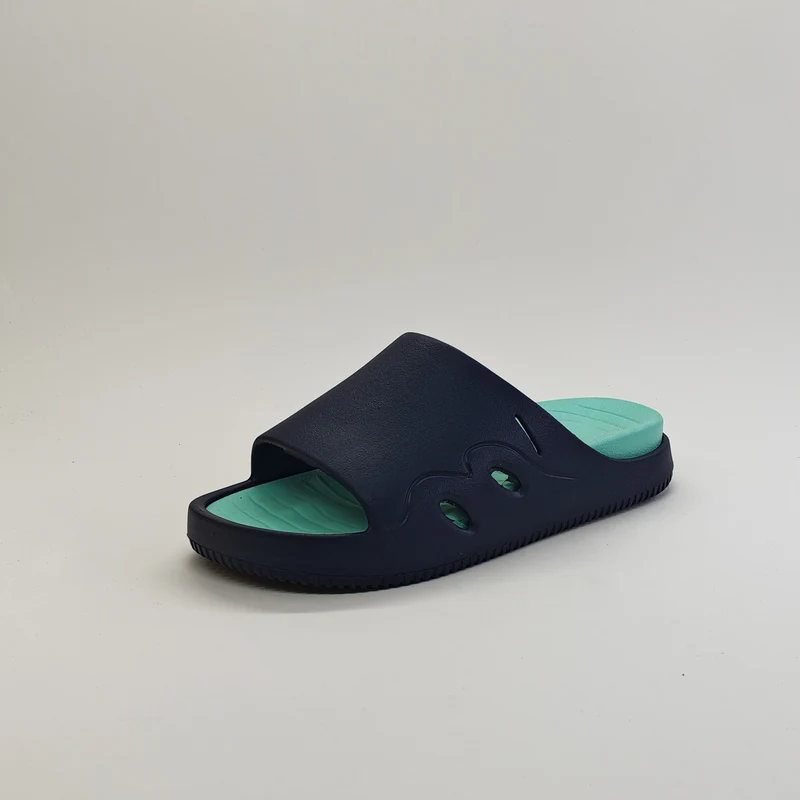
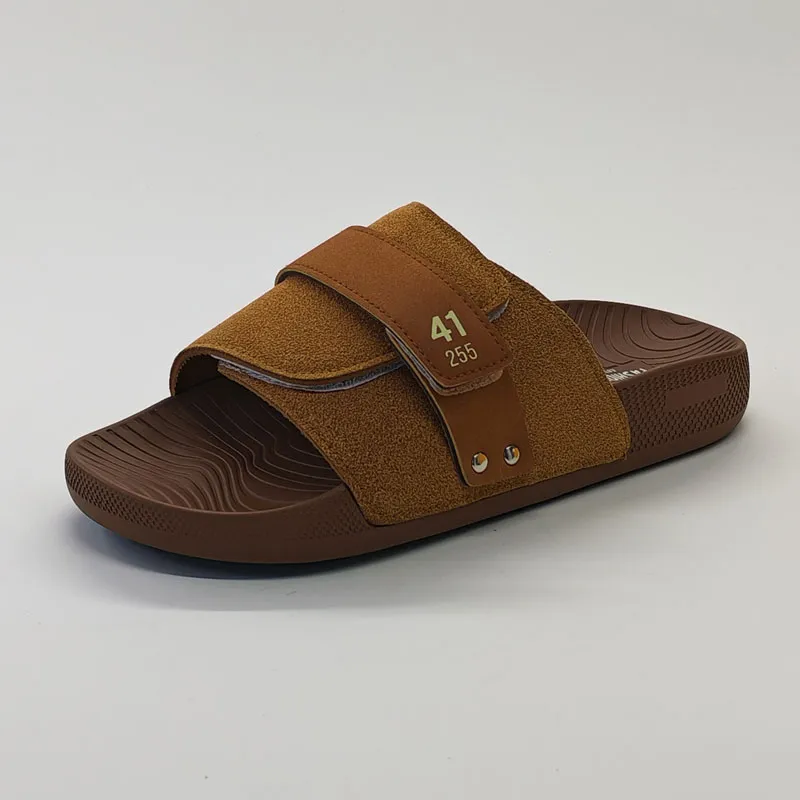
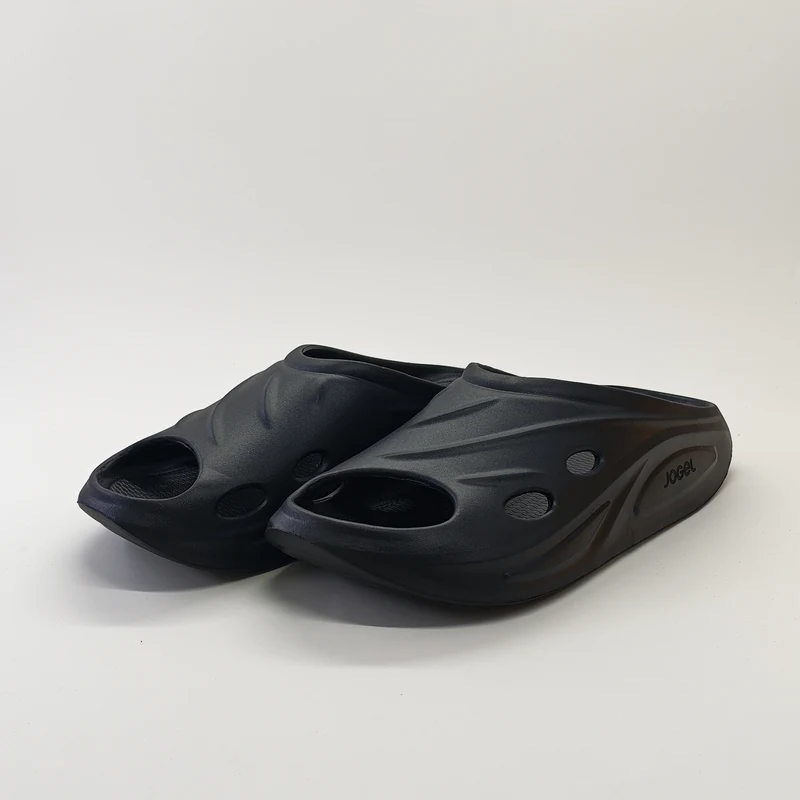
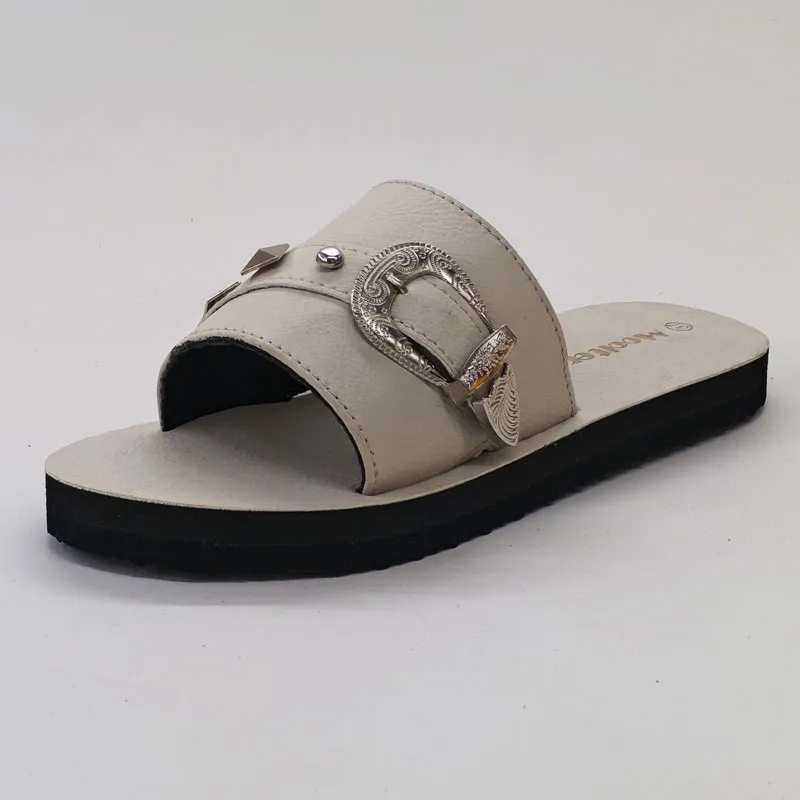
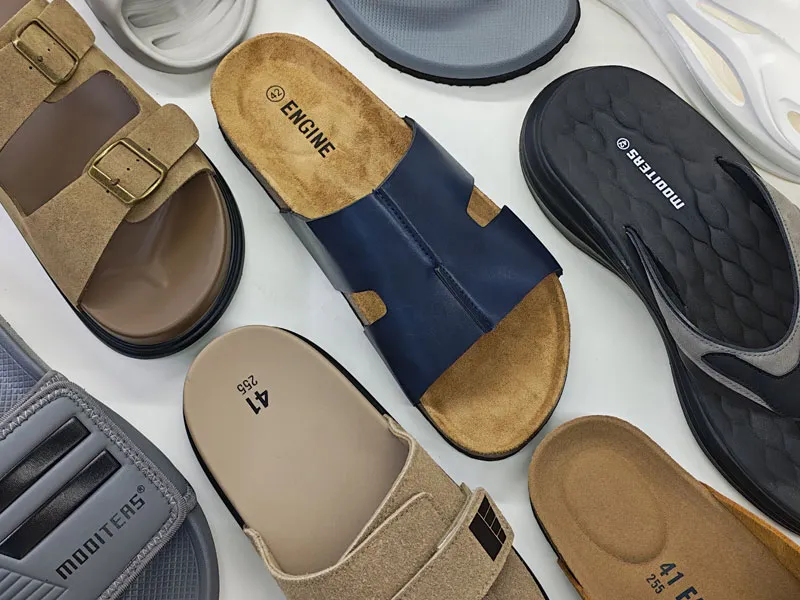
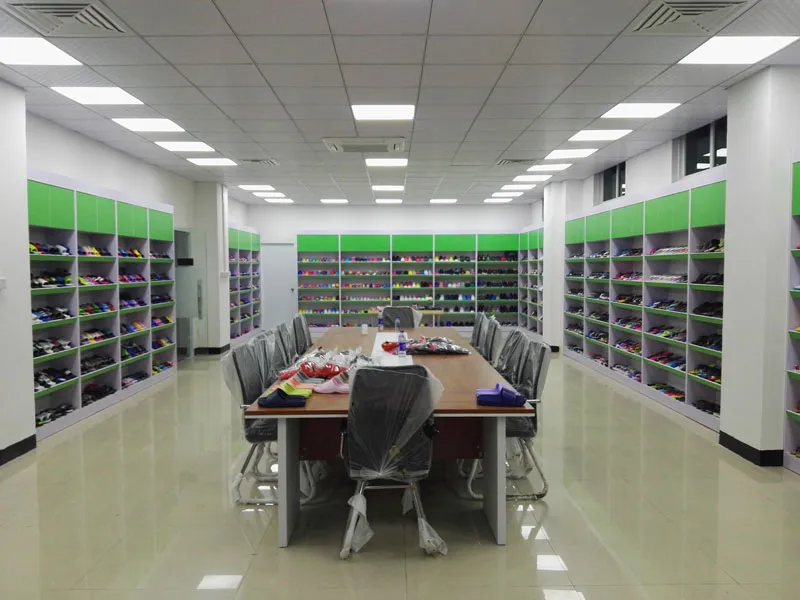
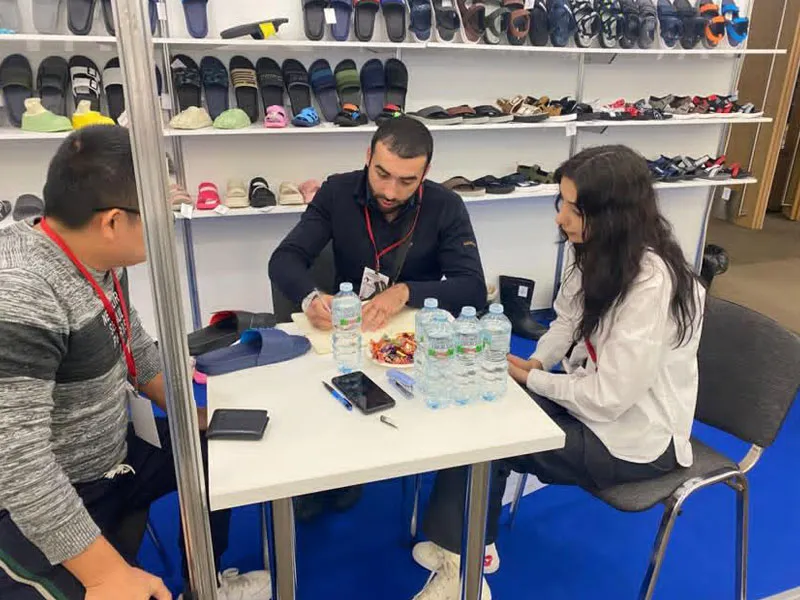
Cork footbed sandal development can begin with classic two-strap designs and gradually expand into wide-strap, cross-strap, multi-strap, and decorative styles. For wholesalers, importers, and brand buyers, developing a product collection requires consideration of visual differences, foot retention, material combinations, size ranges, and suppliers' actual production capabilities. The more variations a collection includes, the more important it becomes to clarify structural and design details before sampling.
Classic two-strap sandals typically feature two adjustable straps and a cork footbed. Their simple design makes them suitable as a foundation for a product collection. From this starting point, buyers can create upgraded styles by adjusting strap widths, buckle positions, footbed colors, and outsole appearances. Cross-strap arrangements, multi-strap designs, and decorative details can further diversify the collection. However, different upper constructions may require different material quantities, attachment positions, and manufacturing methods. Production costs and feasibility should not be estimated solely from product images.
What Design Structures Can Be Used to Develop Cork Footbed Sandals?
Before planning a sandal collection, it is important to define the role of each style. Basic styles establish the core product range, upgraded designs provide additional options, and statement styles introduce more distinctive visual characteristics. Whether customized styles should be included depends on brand requirements, order quantities, and the supplier's production capabilities.
Differences between sandal styles are largely reflected in their upper structures and how they connect to the soles. According to Wikipedia's introduction to sandals, sandals typically secure the sole to the foot through straps or thongs that pass over the instep or around the ankle. Different strap arrangements contribute to the wide variety of sandal designs. Therefore, when developing a cork footbed sandal collection, buyers can distinguish styles by strap quantity, arrangement, coverage, and attachment position.
| Style Category | Main Design Features | Role in the Collection | Purchasing Details to Confirm |
| Classic Two-Strap Sandals | Two horizontal straps, commonly with adjustable buckles | Establish a core style that can be extended through colors and materials | Strap width, buckle position, footbed shape, and sizing |
| Wide-Strap Sandals | Wider upper straps covering a larger area of the instep | Introduce different upper proportions and visual effects | Upper materials, edge finishing, instep space, and attachment methods |
| Cross-Strap Sandals | Straps arranged diagonally or in crossing patterns | Create a distinctive appearance compared with classic two-strap styles | Crossing positions, strap lengths, attachment points, and left-right symmetry |
| Multi-Strap Sandals | Three or more straps forming the upper | Add design layers and expand the collection with distinctive styles | Strap spacing, attachment positions, foot retention, and assembly requirements |
| Decorative Sandals | Buckle ornaments, metal components, or other decorative elements | Highlight collection aesthetics or brand identity | Accessory materials, colors, weight, attachment strength, and surface finishes |
| Customized Sandals | Project-specific adjustments to colors, logos, packaging, or selected structural features | Support brand development and specific purchasing projects | Supplier capabilities, sample approval, minimum order requirements, and lead times |
These style categories serve as product planning references and do not imply that all suppliers can offer identical structures or configurations. Specific materials, manufacturing processes, and customization options should be confirmed through supplier documentation and approved samples.
Expanding the Collection from Classic Two-Strap Sandals
Establish a Classic Two-Strap Base Style
Classic two-strap sandals are a practical starting point for collection development. Buyers can first establish the footbed shape, upper width, buckle design, outsole structure, and basic colors, then document these specifications as references for the collection.
A basic style does not need to be complicated. The priority is to define the product structure and collection positioning so that subsequent color variations or upper design upgrades can be evaluated against a consistent reference. It is recommended to retain approved samples, product images, and key dimensional information together rather than relying solely on verbal descriptions during subsequent communication.
Upgrade Designs Through Strap Width and Position
On a classic two-strap structure, changes in strap width, spacing, and buckle position can significantly influence the overall appearance. Wider straps create different coverage proportions, while narrower straps generally produce a lighter visual effect. Buyers should confirm strap edges, surface materials, colors, and buckle placement according to the intended design.
These adjustments may also affect sample construction and manufacturing requirements. For example, changing strap positions may require attachment points to be reviewed, while changing strap widths may require modifications to upper proportions and buckle dimensions.
Therefore, simply marking "wider straps" or "adjust position" on a product image may not provide sufficient guidance. Dimensional specifications, annotated drawings, or reference samples are preferable.
Add Variety with Cross-Strap and Multi-Strap Structures
Cross-strap and multi-strap designs allow a collection to progress from classic styles to more visually layered constructions. During development, buyers should confirm each strap's width, arrangement, crossing position, and attachment points, while checking that the left and right sandals follow the intended structure.
Multi-strap designs involve more details. As the number of straps increases, spacing, overlapping arrangements, and edge finishing need to remain consistent. Buyers can begin with a clearly defined sample and then evaluate whether additional straps or decorative elements are necessary.
This approach can help avoid developing multiple styles that look similar but contain structural differences that are difficult to distinguish.
Create Style Differences Through Materials, Colors, and Accessories
The same strap structure can produce different appearances through variations in material texture, color combinations, and buckle designs. Buyers can document color schemes, buckle colors, surface finishes, and decorative positions separately rather than relying on vague descriptions such as "gold," "dark color," or "minimalist style."
Upper fastening components serve a functional purpose but can also influence the overall appearance of the sandals. If a design includes metal buckles or decorative accessories, their specifications, colors, surface finishes, and attachment methods should be confirmed.
For logos or brand identifiers, buyers should also provide details regarding placement, dimensions, colors, and application methods. Approved samples should serve as references for bulk production.
According to Encyclopedia.com's introduction to fasteners, different fasteners secure materials through mechanical structures, friction, or bonding methods and can serve both functional and decorative purposes in fashion products.
For cork footbed sandal development, buyers can select appropriate buckles and fastening methods according to the strap construction while considering accessory dimensions, materials, installation positions, and overall appearance.
Purchasing Information to Clarify Before Style Development
Before submitting development requirements to a supplier, buyers should prepare a product specification sheet. The more detailed the information, the easier it is for suppliers to assess production feasibility, identify required samples and modifications, and clarify any outstanding details.
Target Customers and Sales Channels: Identify the intended customer groups, distribution channels, and collection positioning to help determine the proportion of basic and distinctive styles.
Upper Construction: Specify whether the design uses classic two-strap, wide-strap, cross-strap, multi-strap, or other constructions, and provide reference images or structural drawings.
Footbed and Outsole: Confirm the required shape, colors, edge appearance, and outsole design, and request specific material information from the supplier. The cork footbed is an important structural feature of this sandal category. According to Wikipedia's introduction to cork, cork is characterized by low density, elasticity, and a distinctive cellular structure and has a long history of use in footwear manufacturing. When developing different sandal styles, buyers should consider not only the upper appearance but also the actual footbed material composition, shape, and combination with the outsole.
Buckles and Decorative Components: Record accessory shapes, colors, surface finishes, positions, and quantities.
Sizes and Colors: Specify the size range, color combinations, and purchasing arrangements for different sizes and colors.
Branding and Packaging: Define requirements for logos, hang tags, shoe boxes, and outer carton markings, and confirm which options the supplier can provide.
Order Conditions: Confirm the MOQ, pricing, sampling arrangements, lead times, and packaging details for each product rather than assuming that all styles have identical purchasing conditions.
Key Inspection Points During Sample Approval
Sample approval for cork footbed sandals should go beyond evaluating the front appearance. Buyers should inspect the overall construction, left-right consistency, upper attachment points, footbed surfaces, and accessories. Approved samples should be retained as references for subsequent production and inspection.
Upper Construction and Symmetry: Check whether the two-strap, cross-strap, or multi-strap arrangements match the design drawings. Verify that strap positions and spacing are consistent between the left and right sandals. If adjustable buckles are used, confirm that their positions and adjustment ranges meet the approved requirements.
Straps and Attachment Points: Verify strap widths, edge finishing, and attachment positions. Gentle manual pulling may help identify loose components, noticeable displacement, or uneven workmanship. Inspection methods and applied force should be appropriate for the product construction to avoid damaging the samples.
Footbed Shape and Material Specifications: Compare the footbed shape, edge height, surface appearance, and supplier-provided material descriptions with the agreed specifications. If buyers have specific requirements regarding cork content or composite construction, these should be documented in the sample approval and order specifications.
Buckles and Decorative Accessories: Check buckle operation, positioning, colors, and surface condition. Confirm that decorative elements are securely attached. During bulk inspection, these details should be compared against the approved samples.
Sizing and Left-Right Matching: Inspect samples across different sizes to verify left-right pairing, size markings, and key measurements. When the upper construction changes, sizing and fit-related dimensions should be reviewed again rather than assuming that different styles will perform identically under the same dimensional specifications.
Outsole and Footbed Bonding: Examine outsole patterns, edges, overall flatness, and the bonding condition between the outsole and footbed.
If the order includes specific requirements for bonding strength, flex resistance, or abrasion resistance, the relevant test items, methods, and acceptance criteria should be confirmed with the supplier in advance.
How Should Buyers Organize a Cork Footbed Sandal Collection?
Buyers can first establish a range of basic styles and then gradually introduce upgraded designs and distinctive styles according to customer requirements. Each product should have a clearly defined role in the collection, style number, structural description, and color options to support purchasing, quotations, product presentation, and repeat orders.
| Collection Category | Style Planning Approach | Information to Record |
| Basic Styles | Focus on classic two-strap designs with established structures and core colors | Footbed, straps, buckles, sizes, and outsole |
| Upgraded Designs | Modify strap widths, arrangements, or color combinations based on existing structures | Structural changes, material changes, and cost implications |
| Distinctive Styles | Introduce cross-strap, multi-strap, or decorative elements to create visual differences | Accessory requirements, left-right construction, and sample standards |
| Customized Styles | Adjust branding, colors, and packaging according to brand or order requirements | Customization scope, approved samples, minimum order requirements, and lead times |
Collection planning should also consider the clarity of product catalogs and quotation sheets.
If two products differ only in color, they can be managed as color options under the same style number. However, when the upper construction, buckles, or accessories differ, these variations should be identified separately so that buyers can clearly understand product differences and purchasing conditions.
Frequently Asked Questions About Cork Footbed Sandal Style Development
Q: Which style should buyers start with when developing cork footbed sandals?
A:Buyers can begin with the relatively straightforward classic two-strap design. The footbed shape, straps, buckles, outsole, and sizing should be confirmed first. Wide-strap, cross-strap, and multi-strap variations can then be developed according to the needs of target customers.
Q: What are the purchasing differences between classic two-strap and multi-strap sandals?
A:Multi-strap sandals involve more straps, attachment points, and arrangement details. During sample approval, buyers should pay particular attention to strap spacing, left-right symmetry, and attachment positions. Actual material consumption, costs, and production conditions should be confirmed by the supplier based on the specific design.
Q: What information should buyers provide when developing cross-strap sandals?
A:Buyers should provide reference images or structural drawings that indicate crossing positions, strap widths, colors, buckles, and key attachment points. Descriptions based solely on appearance may not provide suppliers with enough information to interpret the intended construction accurately.
Q: Can multi-strap designs affect cork footbed sandal sizing?
A:Yes, multi-strap designs may affect upper coverage and attachment positions. Buyers should therefore examine the strap arrangement and left-right consistency across different sizes during sampling. Final sizing requirements should be based on approved samples and written specifications.
Q: Can cork footbed sandals be customized with different colors and buckles?
A:Customization availability depends on the specific product, supplier capabilities, and order conditions. Buyers should confirm available materials, colors, buckle options, minimum order requirements, sampling arrangements, and lead times before placing an order.
Q: How can buyers avoid creating repetitive two-strap and multi-strap styles within the same collection?
A:Each product should have a clearly defined collection role and structural differences. Buyers should record strap quantity, width, arrangement, buckle design, and decorative details. Products that differ only in color can be treated as color variations of the same style, while products with different structures or configurations should be identified separately.
Conclusion: Build a Cork Footbed Sandal Collection Around Classic Styles and Purchasing Needs
Cork footbed sandal collections can begin with classic two-strap designs and gradually expand through variations in strap width, arrangement, materials, colors, and buckle details.
For cross-strap, multi-strap, and decorative designs, buyers should clarify structural drawings, material requirements, left-right construction details, and accessory specifications before sampling. Approved samples and written documentation should serve as references for bulk production and inspection.
QUANZHOU LUCKY-STEP IMPORT & EXPORT TRADING CO., LTD., established in 2011 and located in Jinjiang, China, is a footwear trading company offering a range of products, including sandals, flip flops, slides, and clogs.
Wholesalers, importers, and brand buyers can communicate with Lucky-Step about cork footbed sandal product selection and purchasing requirements based on their target markets, preferred designs, sizes, colors, and order specifications.
Specific styles, materials, minimum order quantities (MOQs), pricing, and lead times should be confirmed individually according to the products and order requirements.
 English