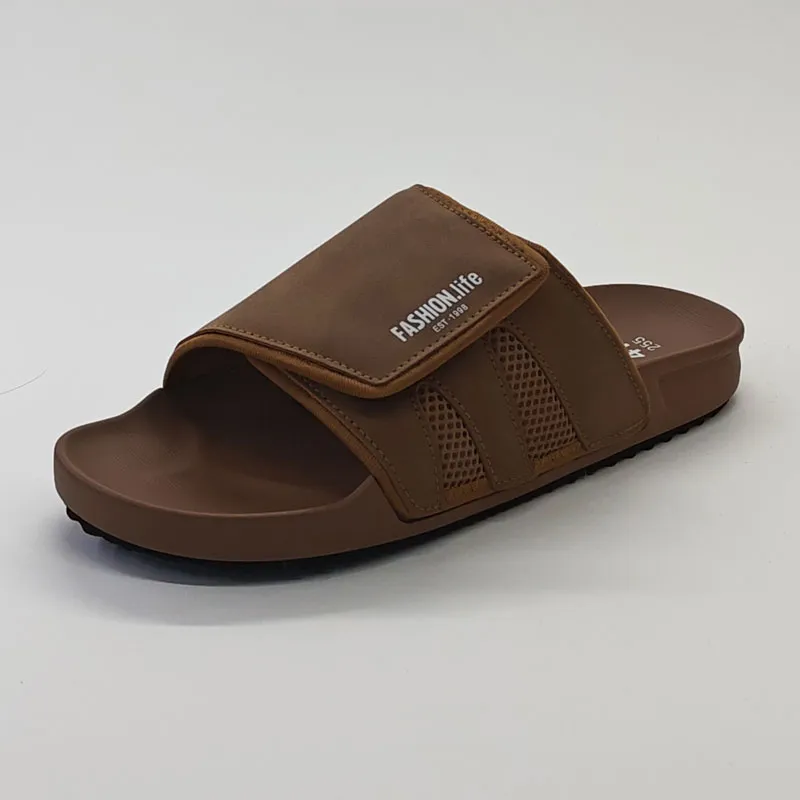
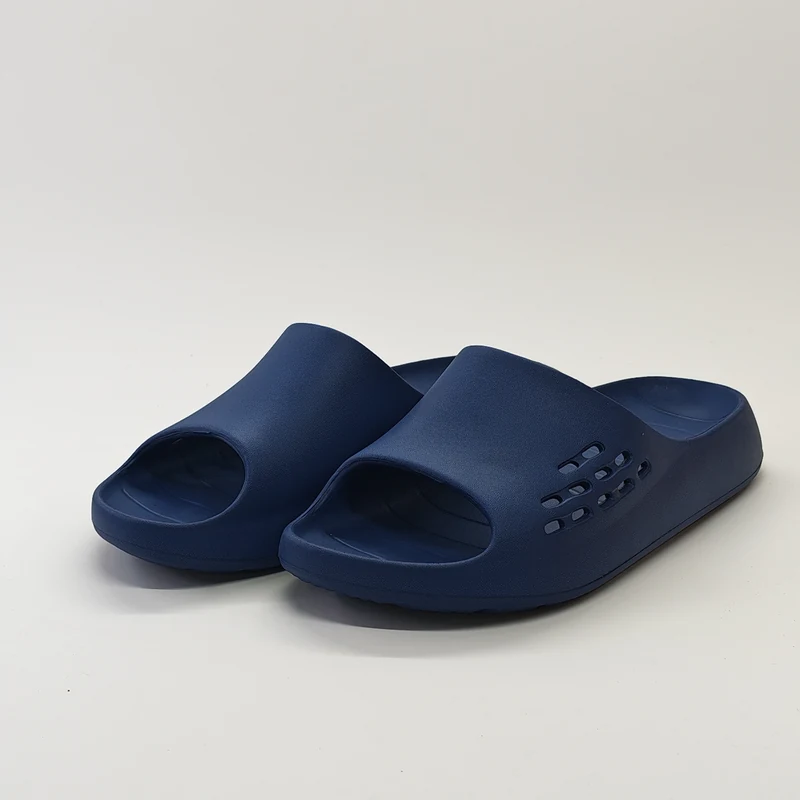
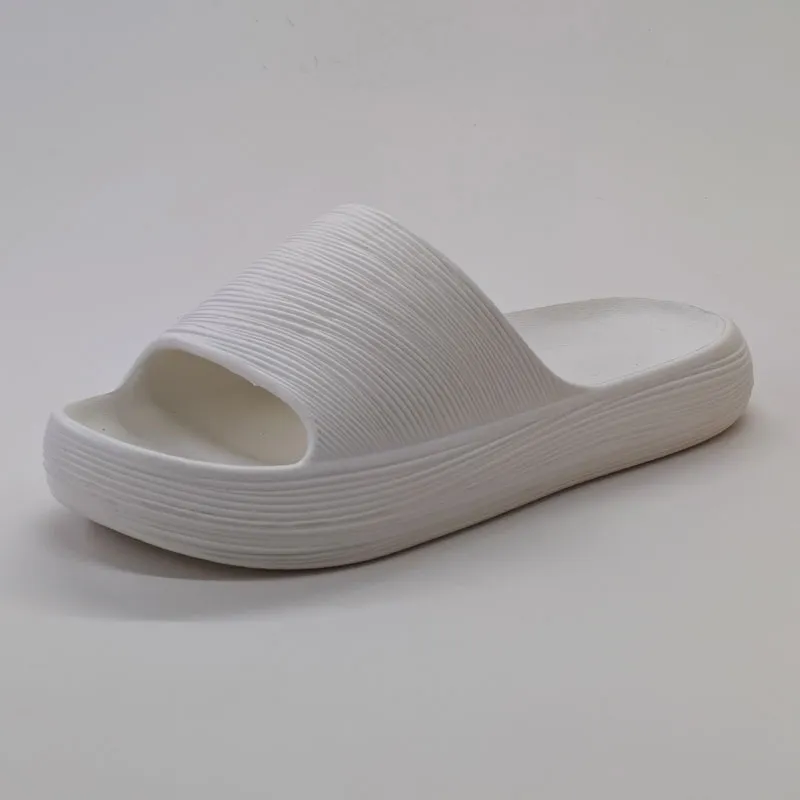
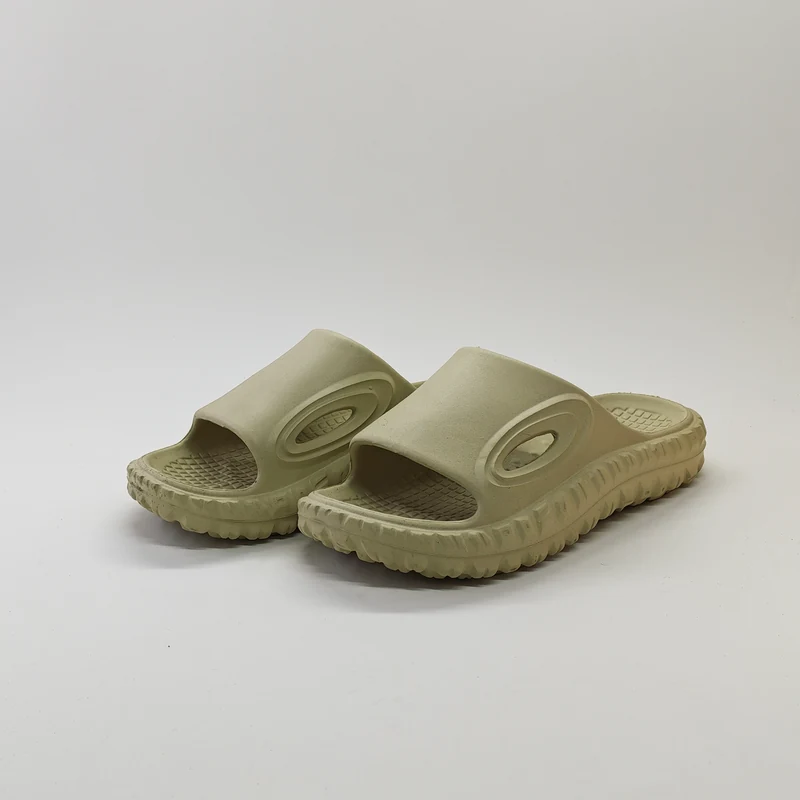
For slipper wholesalers, importers, and brand sourcing personnel, choosing between EVA and PU materials not only affects the product's appearance and wearing experience but also influences product positioning, purchasing costs, and market sales strategies. Especially for purchasers who need to develop multiple styles and cover different consumer groups, understanding the characteristics of different materials helps in planning product portfolios more rationally.
Both EVA and PU can be used in footwear products, but they differ in material structure, flexibility, cushioning performance, and actual end-use performance. There is no one-size-fits-all answer to choosing a material for all slippers; the key lies in whether it matches the specific shoe style, target market, quality requirements, and purchasing budget.
For wholesale purchasers, in addition to comparing the materials themselves, it is also necessary to pay attention to the supplier's product range, design and development capabilities, quality inspection processes, and order coordination abilities.
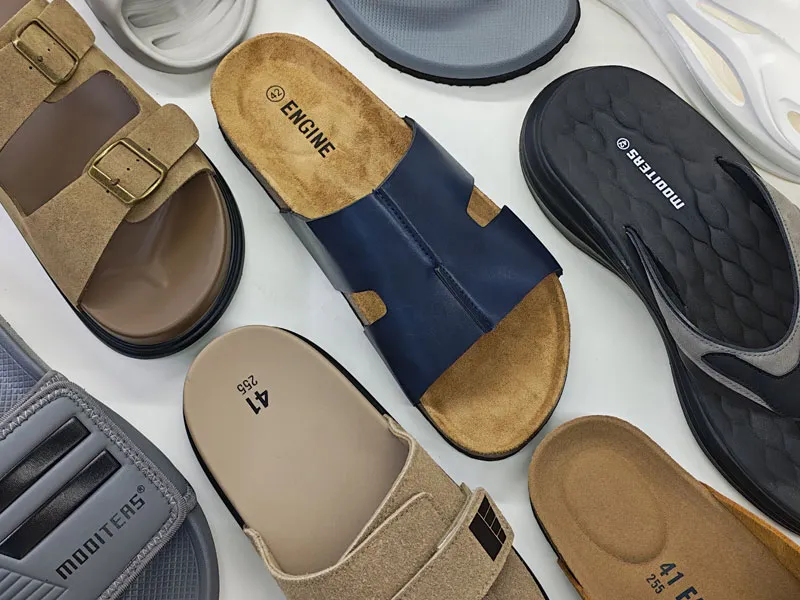
Established in 2011, QUANZHOU LUCKY-STEP IMPORT & EXPORT TRADING CO., LTD. (Jibu) is an enterprise focusing on footwear trading. Its products include flip-flops, one-strap slides, sandals, and clogs, offering a variety of material options to provide product selection references for different types of footwear purchasing needs.
This article will help you understand the differences between EVA and PU slippers from aspects such as material characteristics, product performance, suitable shoe styles, and supplier selection, and discuss how to choose suitable products based on actual purchasing needs.
I. What Are EVA and PU Materials? What Are Their Characteristics in Slippers?
EVA and PU are two different polymer materials with different application methods in footwear products. Understanding their basic characteristics is the first step in material comparison and product selection.
EVA Material: Suitable for a variety of lightweight footwear designs.
EVA is the abbreviation for ethylene-vinyl acetate copolymer. By adjusting the material formulation, density, and foam structure, materials with different hardness, flexibility, and cushioning performance can be obtained, so it is often used in soles, footbeds, and other footwear components that require cushioning. The material properties of EVA are related to its chemical composition, formulation, and processing methods.
In slipper products, EVA can be used to make lightweight soles or overall structures. For purchasers planning to develop casual slippers and everyday footwear, EVA products can be an important consideration during style selection.
However, there may be significant differences between different EVA products. Material hardness, sole thickness, surface texture, and overall structure all affect the final wearing experience, so one cannot judge whether a slipper is comfortable or durable based solely on the material name. According to Encyclopedia.com's introduction to footwear materials and sole structures, soles may consist of different parts such as insoles, midsoles, and outsoles, using materials like EVA and PU. The material performance of EVA is affected by factors such as formulation and processing methods, so different products may exhibit different flexibility and mechanical performance. Material science website AzoM introduces the basic characteristics of EVA and its applications in products like soles in its introduction to EVA material properties and applications. Purchasers can combine this material knowledge with specific product specifications and sample evaluations to determine whether EVA is suitable for their target slipper products.
PU Material: Can meet various footwear structural and design requirements.
It is the abbreviation for polyurethane. Different types of polyurethane can have their mechanical properties adjusted through formulations and processing techniques, and are used in soles, midsoles, and other footwear components. Polyurethane is a class of polymer materials with multiple application forms, and its performance varies depending on chemical composition, formulation, and processing methods. Understanding the basic characteristics of polyurethane materials helps purchasers understand the material differences of various PU footwear components and further evaluate them based on specific product needs.
For slipper purchasers, the selection of PU products also needs to be combined with specific structures. For example, sole thickness, material hardness, product design, and usage environment may all affect actual performance.
It should be noted that PU does not represent a single fixed material performance. Different formulations and processing methods may bring different flexibility, abrasion resistance, and long-term performance.
For wholesalers and brands, product durability not only relates to consumer experience but may also affect after-sales feedback and brand reputation. EVA slippers require attention to sole wear, deformation after repeated compression, and condition after actual use. PU slippers need to be evaluated for mechanical properties, wear performance, and suitable environments based on the specific material system.
II. What Are the Main Differences Between EVA and PU Slippers?
The differences between EVA and PU slippers need to be judged in combination with materials, structures, and actual products. For wholesalers and brand sourcing personnel, the following dimensions are particularly noteworthy.
| Comparison Dimension | EVA Slippers | PU Slippers |
| Material Characteristics | Different density, hardness, and cushioning performance can be achieved through foaming and formulation adjustments. | Can meet various product design requirements through different polyurethane systems and formulations. |
| Weight | Depends on material density, foaming degree, and shoe style structure. | Depends on specific material type, density, and shoe style structure. |
| Flexibility | Different degrees of softness/hardness and flexing performance can be formed according to the design. | Also depends on formulation, hardness, and product structure. |
| Wearing Experience | Related to sole thickness, cushioning performance, footbed design, etc. | Related to material performance, sole structure, thickness, fit, etc. |
| Durability | Needs to evaluate wear, deformation after repeated compression, and actual usage environment. | Needs to evaluate wear, repeated flexing, and the performance of the specific material system. |
| Design Applications | Can be used in various casual slippers and other footwear designs. | Can be used in various soles and other footwear structures. |
| Purchasing Cost | Affected by formulation, product structure, process, and order conditions. | Affected by material type, product structure, process, and order conditions. |
The above comparison is intended to help purchasers establish a selection approach and does not mean that all EVA or PU products have the same performance.
In actual purchasing, three issues are particularly worth noting.
First, lightweight does not necessarily mean more comfortable. Lighter shoes may be more suitable for certain usage needs, but comfort also depends on footbed design, sole thickness, cushioning performance, and fit to the foot.
Second, the material name cannot directly represent durability. The same material may exhibit different wear resistance, deformation, and long-term performance due to different formulations, manufacturing processes, and product structures.
Finally, purchasing costs cannot be compared solely based on material prices. Product design, molds, surface treatment, packaging, order quantity, and quality requirements may all affect the final quotation. Purchasers should try to compare supply solutions under similar product specifications and purchasing conditions.
For brands hoping to develop multiple shoe styles simultaneously, placing EVA and PU products into suitable product series separately is often more practical than simply pursuing one specific material. Lucky-Step offers a variety of footwear and material options, and purchasers can further filter suitable products based on the target market, product positioning, and actual supply conditions.
III. How Do EVA and PU Slippers Perform in Daily Use?
Material differences ultimately need to be reflected in specific products. For purchasers, understanding consumers' needs in daily use can help them screen styles more specifically, rather than making decisions solely based on material names.
1. Comfort and Cushioning Performance
The comfort of slippers is usually determined by multiple factors, including material softness/hardness, sole thickness, cushioning structure, footbed shape, and overall fit.
EVA foam materials can achieve different cushioning performances through formulations and structural designs, but not all EVA slippers are soft. PU products also have different hardness and elasticity performances and cannot be generalized. If purchasers are mainly targeting the daily casual market, they can focus on evaluating product weight, foot feel, and footbed design; if the product needs to meet specific wearing requirements, specifications and sample performance should be further confirmed based on the target usage scenario.
2. Durability and Long-Term Performance
For wholesalers and brands, product durability not only relates to consumer experience but may also affect after-sales feedback and brand reputation.
EVA slippers require attention to sole wear, deformation after repeated compression, and condition after actual use. PU slippers need to be evaluated for mechanical properties, wear performance, and suitable environments based on the specific material system.
When selecting, purchasers can determine the items to be inspected based on product positioning, and request corresponding product information or testing evidence from suppliers when necessary. One cannot determine that a certain type of slipper is definitely more durable based solely on the material name.
3. Indoor and Outdoor Usage Requirements
Different usage environments have different requirements for slippers. Indoor slippers may focus more on lightweightness, wearing experience, and ease of cleaning and maintenance; outdoor casual slippers may need to consider sole grip, wear performance, and structural stability more. It is worth noting that slip resistance is not entirely determined by the material; sole patterns, material formulations, ground conditions, and wear conditions can all affect actual grip performance.
IV. How to Choose Materials for Different Slipper Styles and Purchasing Needs?
When choosing EVA or PU, the material should be considered in conjunction with the specific shoe style. Different products have differences in structure and usage scenarios; even with the same material, different product performances may be exhibited. Different types of footwear have differences in structure, materials, and usage scenarios.
Flip-flops: Focus on the sole and toe-post structure.
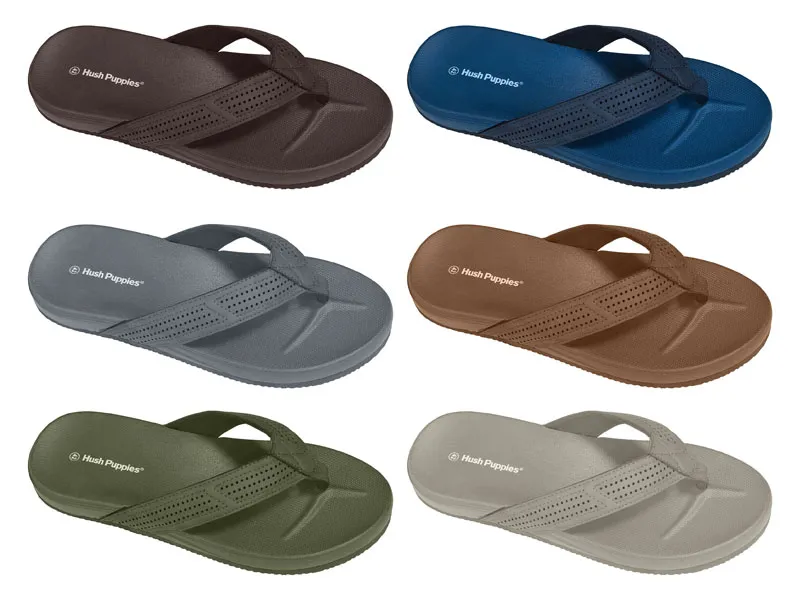
The selection of flip-flops requires considering not only the sole material but also the toe post, connection areas, sole thickness, and overall fit. Purchasers can compare the structural design, foot feel, and appearance of different products based on the usage needs of the target consumers.
One-strap slides: Focus on footbed design and product positioning.
One-strap slides are suitable for various design styles. For products emphasizing simplicity, casualness, or daily wear, you can compare the performance of different materials in terms of weight, flexibility, and footbed structure, and then determine the style direction in combination with the target selling price.
Sandals: Focus on multi-component structure and overall design.
Sandals may include different components such as uppers, footbeds, buckles, and heel straps. Purchasers need to confirm the specific materials and design requirements of each component and cannot simply classify the entire shoe as a single material.
Clogs: Focus on usage scenarios and structural requirements.
These types of shoes need to be evaluated for shoe body structure, fit, cleaning and maintenance, and expected usage environment based on actual use. Whether the specific material is suitable should be based on product design, actual specifications, and necessary testing.
Lucky-Step's product range includes not only flip-flops, one-strap slides, and sandals but also clogs and closed-toe shoes, offering different products for men, women, and children.
For wholesalers hoping to expand their product lines, they can follow these steps for selection:
Clarify the target market and consumer group, and determine the main usage scenarios for the product.
Screen shoe styles based on product positioning and confirm the actual available material options.
Compare weight, foot feel, structure, appearance, and quality performance through samples.
Confirm the quality indicators and testing data that need to be verified based on product requirements.
Select suitable product solutions in combination with purchasing budgets, order conditions, and customization needs.
This selection approach not only helps compare EVA and PU but also helps purchasers plan the combination of different shoe styles more rationally.
V. Frequently Asked Questions About EVA and PU Slippers
1. What is the main difference between EVA and PU slippers?
EVA and PU have different chemical compositions and material characteristics. Specific products may differ in weight, flexibility, cushioning performance, and mechanical properties. However, the final performance depends on the material formulation, product structure, and manufacturing process, and one cannot determine which is better based solely on the material name.
2. Are EVA slippers definitely lighter than PU slippers?
Not necessarily. Slipper weight is affected by factors such as material density, foaming degree, sole thickness, and overall structure. Purchasers should compare the specifications or actual weight of specific products rather than directly assuming that EVA products are necessarily lighter.
3. Which is more comfortable to wear, EVA or PU slippers?
Comfort depends on multiple factors such as material performance, footbed design, sole thickness, cushioning performance, and foot fit. It is recommended that purchasers evaluate samples based on the target usage scenario and choose styles that better match the product positioning.
4. Which is more durable, EVA or PU slippers?
It cannot be simply concluded that a certain material is definitely more durable. The formulation, manufacturing process, sole structure, and usage environment of different products all affect actual performance. Purchasers should inspect samples according to product requirements and confirm relevant testing data when necessary.
5. Are EVA and PU slippers suitable for indoor or outdoor use, respectively?
Neither material can be simply restricted to indoor or outdoor use exclusively. Purchasers should evaluate the product's foot feel, sole grip, wear performance, structural stability, and maintenance needs based on the usage environment, and then choose suitable products.
6. What should be confirmed before wholesale purchasing EVA or PU slippers?
It is recommended that purchasers confirm in advance the material type, product specifications, styles and sizes, sample quality, customization options, order conditions, and delivery requirements. If the product has special performance requirements, it should also be confirmed whether there is corresponding technical information or testing evidence. When communicating with Lucky-Step, you can provide the target shoe styles, purchasing plans, and customization needs to further discuss suitable product options.
Conclusion: Choose Slipper Materials and Supply Solutions Suitable for the Target Market
EVA and PU slippers each have different material characteristics and design possibilities, but purchasing decisions cannot be based solely on material names. A truly rational choice requires a comprehensive judgment based on specific shoe styles, target markets, wearing scenarios, quality requirements, and purchasing conditions.
For wholesalers, importers, and brand sourcing personnel, finding suppliers that can match product needs is equally important. Lucky-Step has a product series covering various styles such as flip-flops, one-strap slides, sandals, and clogs. Purchasers can combine their own product planning and further communicate with Lucky-Step about available styles, materials, and related purchasing needs.
If you are developing a new slipper product series or hope to find suitable shoe styles for your target market, welcome to contact Lucky-Step to discuss product selection, design requirements, and purchasing plans.
 English