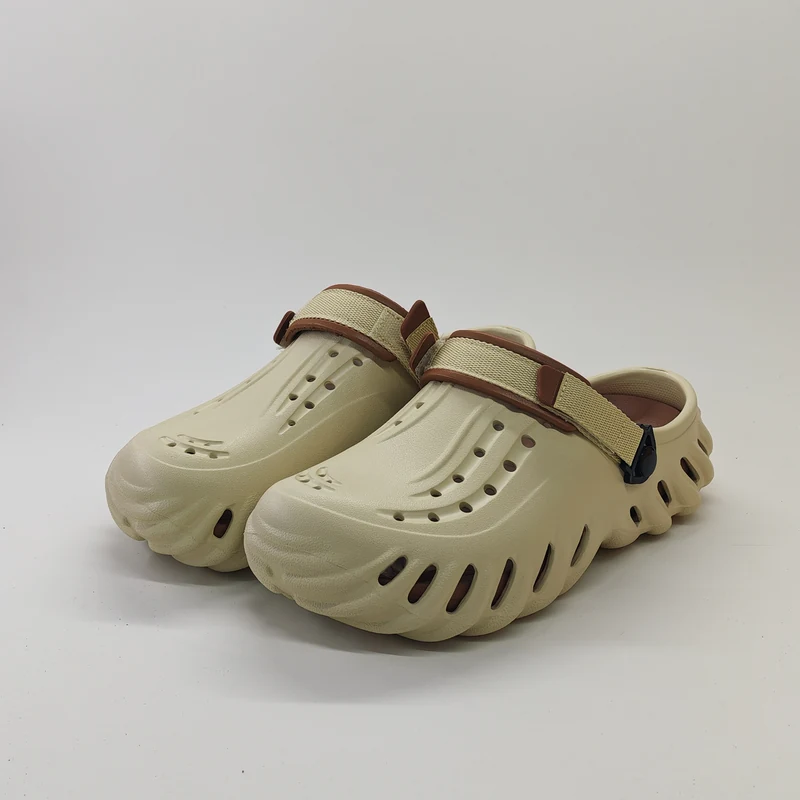
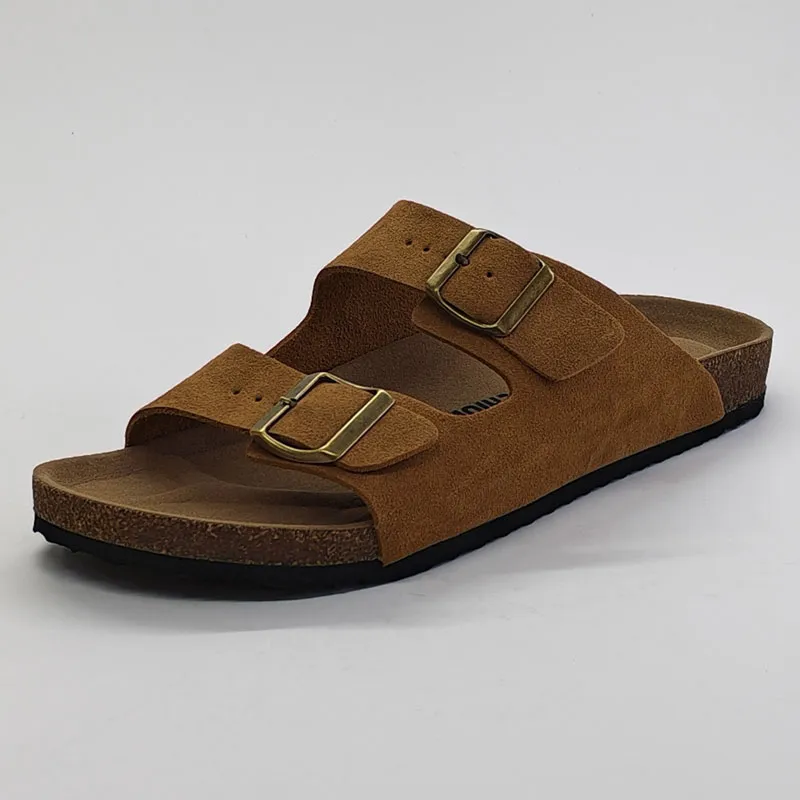
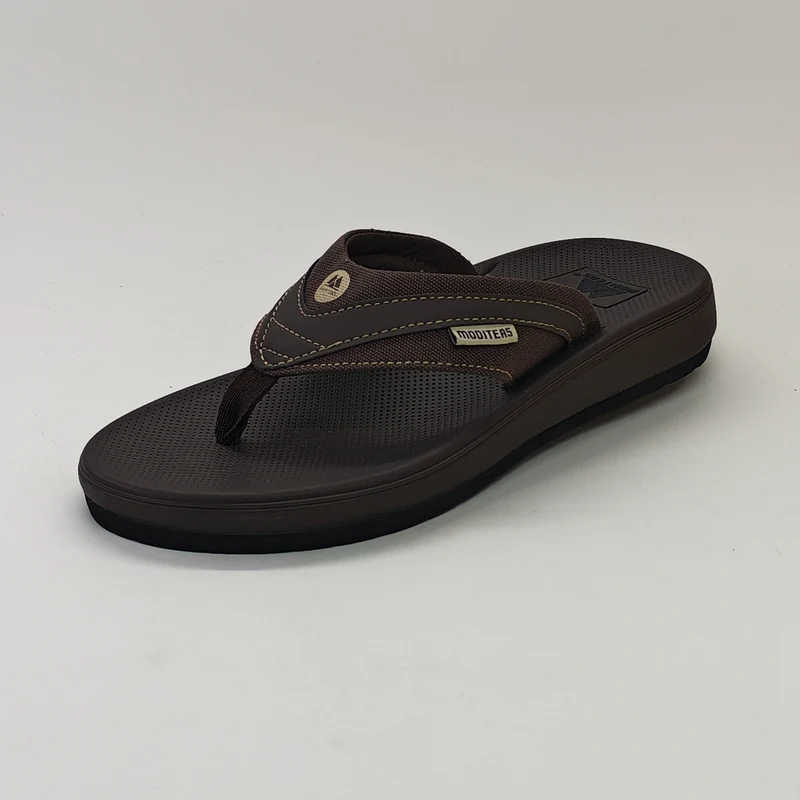
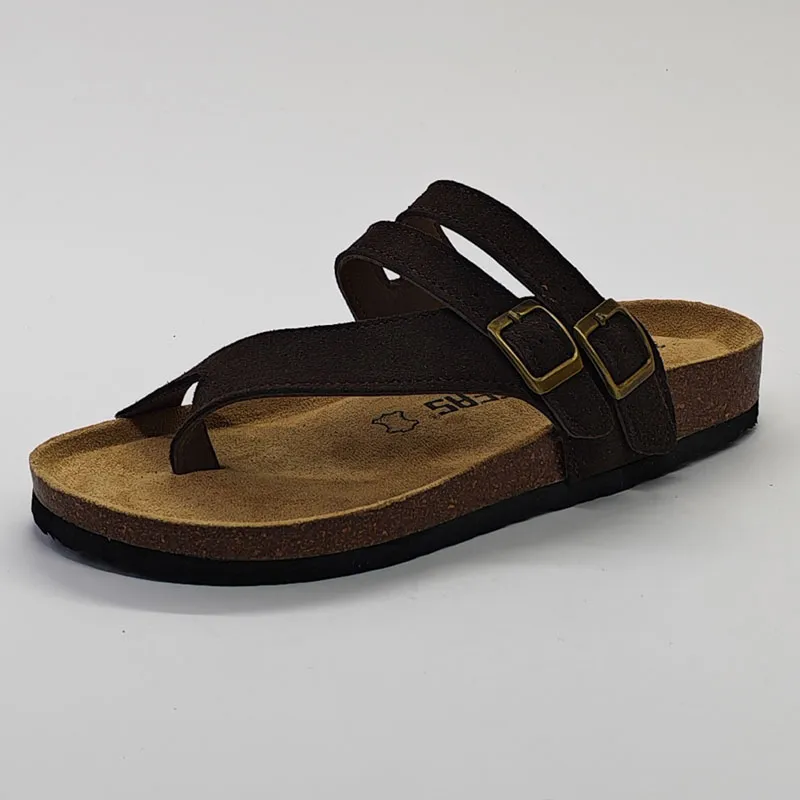
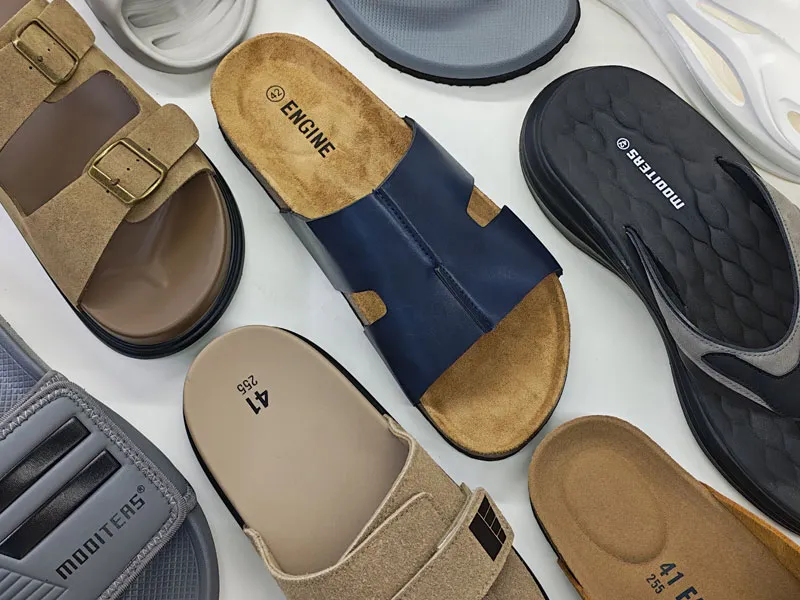
The product design of one-strap slides requires considering the upper shape, instep coverage, upper-to-sole connection method, sole structure, and size proportions together. For wholesalers, importers, and brand sourcing personnel, when selecting styles, they should not look only at upper colors or image effects; they should also confirm whether the structure suits the target customer group, product positioning, and sales channel, and check through samples whether the design can be stably implemented.
The "one-strap slides" referred to in this article are a type of slipper/sandal in which the upper crosses the instep and covers the front part of the foot, which differs from flip-flops whose main structure is a toe post. The upper can use designs such as wide straps, double straps, crossed straps, or decorative straps, and the sole can use different materials, thicknesses, and patterns according to product positioning. Different combinations affect product appearance, material usage, processing methods, and purchasing conditions. Therefore, before development, the product structure should be clarified first, and then samples and specifications should be confirmed item by item.
What Parts Make Up One-Strap Slide Product Design?
One-strap slides appear simple in structure, but the upper, sole, and connection positions together determine the overall effect of the product. Purchasers can break the product down into the following parts and confirm them one by one.
| Product Part | Design Content | Purchasing Confirmation Focus |
| Upper | Width, shape, strap type, color, material, and surface effect | Upper proportion, instep coverage, edge treatment, and left/right consistency |
| Inside and edges of upper | Lining, binding, stitching, or other finishing details | Whether the surface is flat, whether edges are neat, and whether it is consistent with the approved sample |
| Upper-to-sole connection | Upper fixing position, connection method, and connection area | Whether connection positions are symmetrical and whether the fixing condition meets product structure requirements |
| Footbed surface | Color, texture, printing, Logo, or other decorative patterns | Position, color effect, surface treatment, and bulk consistency |
| Sole | Material, thickness, edge shape, and color | Material specification, thickness range, size proportions, and appearance effect |
| Outsole pattern | Pattern shape, depth, distribution, and coverage | Whether the pattern is clear and whether it conforms to the approved sample and product positioning |
| Size structure | Length, width, proportions between sizes, and marking | Size range, left/right matching, and accuracy of size marking |
The basic structure of footwear is closely related to the upper, sole, and fixing method. According to Encyclopedia.com's introduction to footwear structure, sandal-type structures usually connect the foot to the sole through straps, band-shaped uppers, or other fixing components. Different structural combinations also affect the design and performance of footwear products.
The specific structure of one-strap slides varies by style. Purchasers should ask suppliers to explain the materials and connection methods of each part and should not infer product construction only from product names or appearance photos.
Upper Design: Look at Shape First, Then Confirm Coverage and Fixation
The upper is the design part consumers notice first and is also an important source of differentiation within a product series. Basic styles can use simple wide-strap shapes; design-oriented styles can add visual variation through double straps, crossed straps, irregular straps, color blocking, or decorative components. When designing styles, it is recommended to consider instep coverage and upper position at the same time, rather than discussing only colors and patterns.
In addition to visual effects, upper design should also consider compatibility with the foot. The American Podiatric Medical Association (APMA), in its How to Choose the Right Shoe guide, emphasizes that footwear selection needs to comprehensively consider wearing activity, fit, and support structure. This also provides a reference for the instep coverage and overall structural design of one-strap slides.
Upper Width and Position
Upper width changes the visual proportions of the product and also affects instep coverage. When confirming upper width, purchasers can provide dimensioned drawings or approved samples and clearly specify the upper's position on the footbed. Whether different sizes are enlarged in the same proportion should also be checked one by one during sample approval.
If the upper position is too far forward, too far back, or asymmetrical left to right, the product appearance may be inconsistent with the design drawing. For bulk orders, it is best to record upper width and key positions in the specification materials as a reference for subsequent production and inspection.
Upper Strap Type and Structural Combinations
The upper can be a single wide strap or a combination of multiple straps. Multi-strap, crossed-strap, or spliced structures can enrich product appearance, but the width, arrangement direction, connection position, and left/right correspondence of each strap need to be clearly marked.
As design complexity increases, connection points and assembly details also increase. Purchasers should observe at the sample stage whether the upper is flat, whether straps are symmetrical, and whether edges are neat, and confirm that decorative or spliced parts are consistent with design requirements.
Upper Materials and Surface Effects
Upper materials can be determined according to product positioning, target price, and options available from suppliers. During purchasing, a distinction should be made between the material itself and surface treatment requirements, and the material name, color, texture, gloss level, printing, and Logo position should be clearly specified. For color-blocked or multi-material combination styles, the color and material requirements for each area should be recorded separately.
If the upper uses buckles, decorative components, or other accessories, the specifications, colors, surface treatment, and fixing methods of the accessories should also be confirmed.
Upper-to-Sole Connection: Translate Structural Requirements into Samples
The connection between the upper and sole is a key area to confirm in product design. Different styles may use different structures and processing methods. Purchasers should confirm the actual solution with suppliers and check connection positions, left/right symmetry, and appearance finishing.
During sample approval, check whether the upper-to-sole connection is flat, whether there is obvious misalignment or appearance defect, and conduct appropriate pulling or flexing checks according to the product structure. The inspection method and acceptance requirements should be determined according to the style and order agreement; a simple operation should not be used to replace formal testing.
If the purchasing project has clear strength requirements for upper connection or sole bonding, the test method, sample requirements, and acceptance criteria should be confirmed before placing the order.
Sole Design: Material, Thickness, and Pattern Need to Be Evaluated Together
Sole design affects product appearance, weight, structural proportions, and purchasing configuration. Purchasers should not confirm only general descriptions such as "thick sole" or "lightweight"; they should confirm material, thickness, edge shape, and outsole pattern in relation to the specific style.
Sole material: According to product information provided by the supplier, confirm the actual material name and material combination. If the project has specific material requirements, the material information should be written into the product specification or order documents. The choice of sole material needs to be combined with product positioning, structural design, and use requirements. Polyurethane (PU) is one of the common materials in footwear manufacturing and can be formulated to provide different hardness, flexibility, and abrasion resistance. For basic composition, properties, and applications of polyurethane, reference can be made to Wikipedia's introduction to Polyurethane. For one-strap slide purchasing projects, evaluation should still be based on the specific material formulation and product specifications provided by the supplier.
Sole thickness and profile: Confirm the sole thickness, height changes in the toe and heel areas, and the sole edge shape. If the same style covers multiple sizes, check whether the sole proportions of different sizes are coordinated.
Outsole pattern: The pattern design should be consistent with product appearance and order requirements. Purchasers can check pattern shape, distribution range, and clarity; if there are clear requirements for abrasion resistance or slip resistance, the applicable test methods and acceptance criteria should be confirmed separately.
Flexing and outsole performance: According to product use and structure, purchasers may discuss with suppliers tests such as whole-shoe flexing, sole abrasion resistance, or sole connection. SATRA TM92 is used to evaluate footwear flexing performance, and SATRA TM362 is used to evaluate sole abrasion resistance; whether they apply to a particular one-strap slide needs to be confirmed in relation to the shoe type and purchasing requirements.
Slip resistance requirements: If the sales market or purchasing project has clear slip resistance requirements, the test surface, test conditions, and acceptance criteria should be determined first, and then the test arrangement should be confirmed with the supplier. SATRA TM144 concerns the evaluation of friction or slip resistance performance between footwear and the ground and can serve as a reference when discussing test items.
Test methods cannot simply be equated with product quality commitments. Purchasers should confirm applicable items in relation to product structure, sales market, and order standards, and use the agreed test conditions and results as the basis for judgment.
Reference Design Combinations for One-Strap Slide Product Series
A product series can start with basic styles and gradually add upper variations, sole shapes, and decorative details. Each product should have a clear series positioning to avoid difficulty in managing purchasing materials, quotations, and product catalogs as the number of styles increases.
| Style Tier | Design Direction | Role in Series | Purchasing Focus |
| Basic style | Simple upper, common colors, basic sole structure | Establish a regular product assortment | Upper and sole specifications, sizes, colors, and sample consistency |
| Upgraded design style | Adjusted upper width, strap type, color blocking, or surface texture | Enrich the appearance options of basic styles | Structural changes, material combinations, processing methods, and cost differences |
| Fashion style | Crossed straps, irregular uppers, printing, or decorative components | Highlight product visual characteristics | Accessory specifications, connection positions, sample effects, and bulk consistency |
| Customized style | Adjust colors, Logo, or packaging according to project requirements | Align with brand and specific purchasing projects | Supplier's executable scope, approval sample, MOQ, and lead time |
The above is a product planning reference and does not mean that every supplier can provide every shoe type or customization item in the table. Purchasers should determine the development plan based on actual product information and supplier confirmation results.
Key Points for One-Strap Slide Sample Approval and Bulk Goods Inspection
Samples are a product reference used jointly by purchasers, suppliers, and inspectors. After a sample is approved, the physical sample or clear photos should be kept, and the main specifications, materials, colors, upper structure, and sole configuration should be recorded.
Sample and bulk goods inspection can focus on the following aspects:
Upper appearance: Check whether upper width, position, shape, splicing, printing, and Logo meet approved requirements.
Left/right symmetry: Compare upper positions, sole contours, and overall appearance of the left and right feet, and note any obvious deviation.
Connection areas: Check the connection status between upper and sole, edge finishing, and appearance neatness; when there are strength requirements, test according to the agreed method.
Sole specifications: Check material description, thickness, edge shape, color, and pattern.
Sizes and marking: Spot-check different sizes to confirm size marking, key dimensions, and left/right pairing.
Packaging information: Check whether style number, color, size, Logo, packaging method, and outer carton marking are consistent with the order.
If upper material, structure, sole material, color, or accessories are changed after sample approval, specification materials should be updated promptly, and it should be determined whether the sample needs to be re-approved. Keeping product change records clear can reduce misunderstandings between samples and bulk goods.
Plan Purchasing Requirements in Line with the Product Series
When planning a one-strap slide series, purchasers usually need to consider shoe type, material, size, color, and sales market at the same time. QUANZHOU LUCKY-STEP IMPORT&EXPORT TRADING CO., LTD. was established in 2011 and is located in Jinjiang. It has long been engaged in slippers and related footwear products. Its product range includes flip-flops, one-strap slides, sandals, and clogs, covering material categories such as PE, PU, PVC, EVA, TPR, and rubber, for men, women, and children.
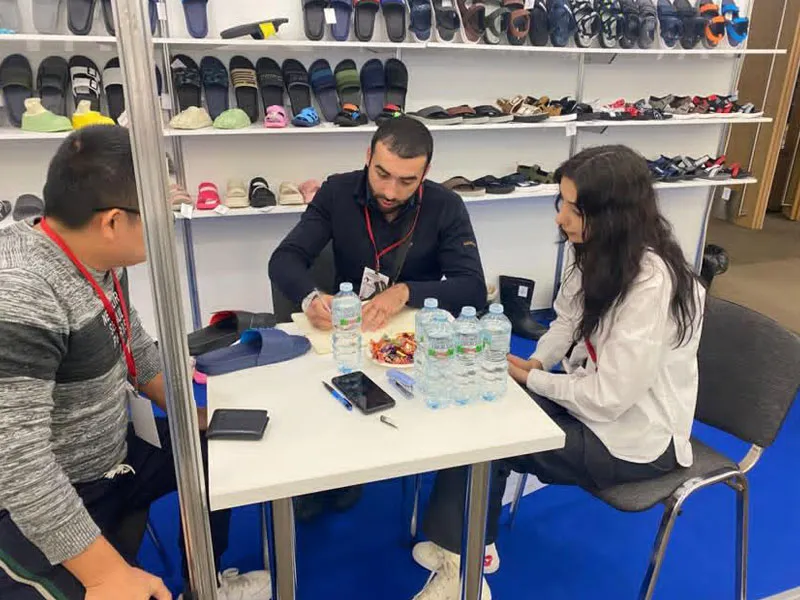
For wholesalers, importers, and brand sourcing personnel who are developing a one-strap slide series, they can first organize target market, reference styles, upper and sole requirements, sizes, colors, and packaging information, and then communicate specific product selection and order details with Lucky-Step. The company conducts business through platforms such as Alibaba and Made-in-China and also participates in international exhibitions to expand its market. Specific available styles, material configurations, MOQ, prices, lead times, and customization scope need to be confirmed according to product and order requirements.
Common Questions About One-Strap Slide Product Design
1. What is the structural difference between one-strap slides and flip-flops?
The one-strap slides referred to in this article mainly use an upper crossing the instep as the main structure; flip-flops usually fix the foot with a toe post. Different markets may use shoe type names slightly differently; during purchasing, it is recommended to confirm the style with reference pictures and structural descriptions.
2. How should the upper width of a one-strap slide be determined?
The upper width can be determined in relation to the target style and approved sample, and the dimensions and position should be marked in the specification drawing. If the product covers multiple sizes, it should also be confirmed whether the upper proportions change with size.
3. Does upper design affect purchasing cost and production requirements?
Possibly. Changes in upper material, strap type, splicing, printing, accessories, and connection method may all affect material usage, processing steps, sample approval, and product cost. The specific impact needs to be evaluated by the supplier according to the style.
4. What details should be key inspection points for the sole of a one-strap slide?
It is recommended to check the sole material description, thickness, edge shape, color, and outsole pattern. If the project has flexing, abrasion resistance, or slip resistance requirements, the applicable test methods and acceptance criteria should be confirmed in advance.
5. Does the upper-to-sole connection of a one-strap slide require strength testing?
Whether testing is required depends on product structure, customer requirements, and sales market. If the order clearly requires connection strength or sole bonding tests, the test items, methods, and acceptance requirements should be agreed before production.
6. How can bulk goods of one-strap slides be kept consistent with the approved sample?
After sample approval, record upper structure, material, color, sole specifications, sizes, accessories, and packaging requirements, and compare them item by item during bulk goods inspection. If material or structural changes occur before production, materials should be updated and relevant details re-approved.
Conclusion: Establish Clear Product Specifications from Upper Shape to Sole Structure
One-strap slide product design requires simultaneous consideration of upper width and position, materials and surface effects, upper-to-sole connection, sole thickness and pattern, and size and left/right consistency. Style development can start with basic shoe types and then form series differentiation through strap types, colorways, printing, accessories, and sole design.
For wholesale purchasing and brand development projects, it is recommended to translate design requirements into reference images, written specifications, approved samples, and order documents. When strength, flexing, abrasion resistance, or slip resistance requirements arise, the applicable test items and acceptance criteria should be confirmed in advance, and then sample evaluation and bulk goods inspection should be arranged.
 English